DIY Pest Control Solutions for a Healthier Home Environment
We’ve rounded up some effective DIY pest control strategies to keep your home healthy and pest-free. By sealing up entry points and managing moisture, you can prevent pests from becoming unwanted guests. Opt for natural repellents like eucalyptus and peppermint oils to deter critters without the use of harsh chemicals. If you’re dealing with rodents, consider humane traps that protect both the environment and your family’s health. By maintaining a clean yard and using safe, homemade pesticides, you’ll create a barrier against future infestations. Let’s explore how these methods can contribute greatly to a healthier home, ensuring ongoing comfort and safety.
Understanding Common Household Pests

When dealing with common household pests, it’s important to identify which critters are invading your space. Recognizing these pests is the first step to ensuring your home remains safe and healthy. Let’s tackle the most frequent unwelcome guests.
Cockroaches are notorious for their resilience and can spread various bacteria. They’re attracted to food residues and moisture, so keeping your kitchen clean is imperative. Ants, similarly, invade in search of sweets and leftovers. Sealing food containers and removing garbage regularly can greatly reduce their presence.
Rodents, like mice and rats, are attracted to clutter and food sources. They can cause significant damage and spread diseases. Ensuring that your home is free of accessible food and potential nesting sites is critical. Secure gaps and openings to prevent their entry.
Silverfish and moths target your pantry and clothing. These pests thrive in dark, damp areas. Regularly cleaning closets and storing goods in airtight containers will help keep them at bay.
We’ve given you the basics, but remember, each pest requires a specific strategy. Identifying them correctly leads to more effective control, keeping your home safer and more comfortable. Stay vigilant and act promptly at the first sign of infestation.
Natural Repellents for Insects
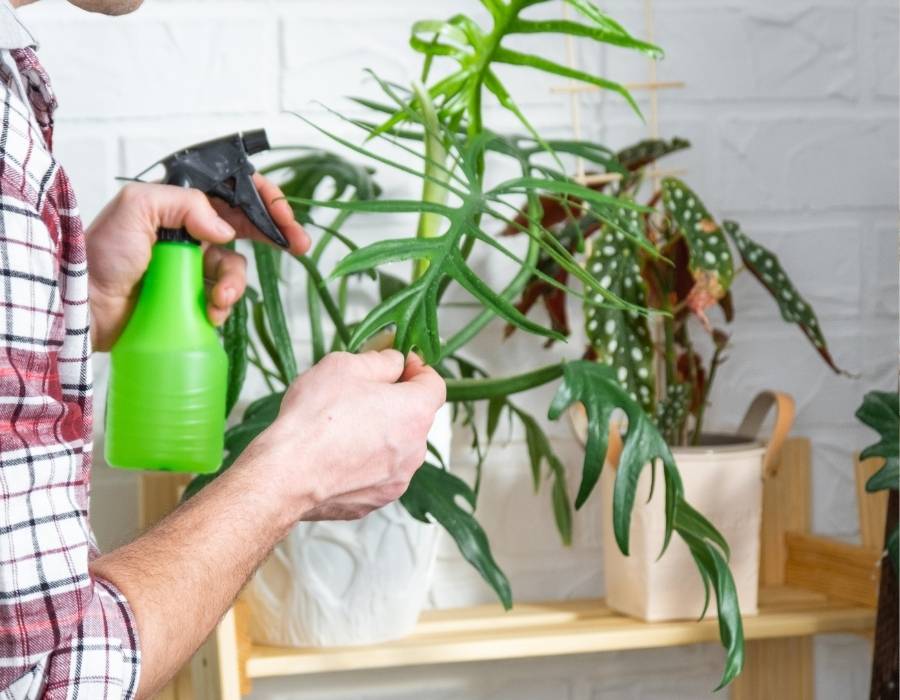
Moving beyond identification, let’s explore effective, natural methods to repel insects from your home. We’re often tempted to reach for chemical sprays, but there are safer alternatives that can keep your living space pest-free without compromising your health.
Firstly, consider essential oils. Oils such as eucalyptus, lavender, and peppermint aren’t just pleasing to our noses; they’re proven deterrents for bugs like mosquitoes, flies, and even bed bugs. A few drops in a diffuser or mixed with water in a spray bottle can create an inhospitable environment for these pests.
Another powerful option is diatomaceous earth. This non-toxic powder can be sprinkled in corners, along windowsills, and behind appliances to effectively kill insects by dehydrating them. It’s safe for use around both children and pets, making it an ideal choice for family households.
Lastly, don’t underestimate the power of proper sanitation. Regularly dispose of garbage, clear out standing water, and keep food sealed. Insects are often attracted to mess and moisture, so maintaining a clean home is a natural defense against infestations.
DIY Traps for Rodents
Shifting our focus to rodents, let’s plunge into creating effective DIY traps that can help keep these pests at bay. One straightforward and humane trap involves using a bucket. You’ll need a five-gallon bucket, a spoon for bait like peanut butter, and a ramp for the rodent to climb. Smear the peanut butter on the handle of the spoon and suspend it over the bucket. When the rodent tries to reach the bait, it’ll tip the spoon and fall into the bucket.
Another simple yet effective solution is the bottle trap. Cut the top off a large plastic bottle and invert it into the base, creating a funnel. Place bait inside the base and secure the inverted top with tape. The rodent can enter through the funnel but won’t be able to escape.
Both these traps are safe and non-toxic, guaranteeing that your home stays free from harmful chemicals. Additionally, they allow for the humane release of the captured rodents. Always check these traps regularly to guarantee any trapped animal can be released quickly and safely, maintaining a humane approach to DIY pest control.
Essential Oils for Pest Control
After exploring DIY traps for rodents, we now turn our attention to the power of essential oils in pest control. Essential oils aren’t just delightful for our noses; they’re formidable foes against pests. By employing these natural substances, we can deter unwanted visitors without endangering our health or the environment.
Peppermint oil, for instance, is highly effective against spiders, ants, and even mice. A few drops near entry points or in areas of frequent pest activity can keep these critters at bay. Similarly, lavender oil not only soothes our nerves but also repels moths and flies. It’s perfect for closets or any indoor areas where these pests are a problem.
Lemongrass oil is another powerhouse, particularly against mosquitoes and fleas. Its strong citrus scent is unbearable to these pests, making it an excellent choice for outdoor areas. And if you’re battling cockroaches, a mix of eucalyptus and tea tree oil can do wonders.
We should always remember to use these oils responsibly. Dilute them appropriately and test in small areas first to prevent any adverse reactions. With these natural solutions, we’re not just eliminating pests, we’re fostering a safer, healthier home environment.
Preventive Home Maintenance Tips
To maintain a pest-free home, it is vital to integrate preventive maintenance into our regular routines. Ensuring that our homes are not inviting to pests involves more than just cleanliness; it requires a proactive approach to home maintenance.
Firstly, we need to seal all potential entry points. Check for gaps around windows, doors, and utility lines. Even the smallest crack can serve as a gateway for pests. Sealing these gaps with silicone caulk or foam sealant not only keeps pests out but also improves energy efficiency.
Regularly inspecting and cleaning gutters is also important. Clogged gutters can lead to water buildup, attracting pests like mosquitoes and providing a perfect breeding ground. By keeping gutters clean and functional, we prevent water from pooling and mitigate pest infestations.
Additionally, managing moisture is key. Fix leaky faucets and pipes promptly. Use dehumidifiers in damp areas of the home, such as basements and crawl spaces, to keep humidity levels low and discourage pests seeking moisture.
Lastly, keep the yard tidy. Trim overhanging branches and remove debris where pests can hide and thrive. By taking these steps, we’re not just preventing pests; we’re also creating a safer, healthier environment for our families.
Safe Use of DIY Pesticides
When considering the use of DIY pesticides, it’s vital to prioritize safety and effectiveness. We all want to keep our homes pest-free, but it’s important to make sure that our methods don’t pose a risk to our family and pets. Here are four key guidelines to follow when using homemade pesticides:
- Choose Ingredients Carefully: Opt for natural ingredients known for their safety, like vinegar, baking soda, and essential oils. Avoid chemicals that can harm human health or the environment.
- Properly Label and Store: Always label your DIY pesticide mixtures clearly and store them out of reach of children and pets. This prevents accidental ingestion and maintains safety in your home.
- Wear Protective Gear: When applying pesticides, wear gloves, masks, and protective eyewear. This minimizes the risk of skin irritation or inhaling any vapors.
- Test on a Small Area First: Before widespread application, test the pesticide on a small, inconspicuous area to verify it does not damage surfaces or plants.
Monitoring and Assessing Effectiveness
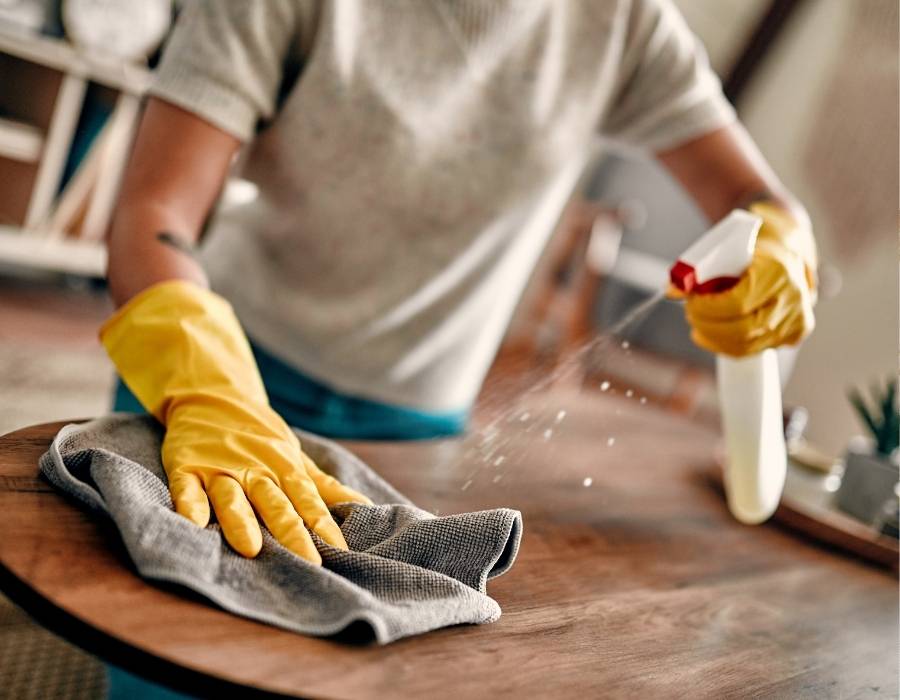
Once you’ve applied your DIY pest control solutions, it’s vital to monitor their effectiveness and assess any adjustments needed. We can’t just set it and forget it; staying vigilant guarantees our homes remain safe and pest-free.
First, keep a log of what you’ve used and where. Note the date and any initial effects observed. This historical record becomes invaluable for tracking progress and patterns over time. If you see a decrease in pest activity, you’re likely on the right track. However, if there’s no change or an increase, it might be time to tweak your approach.
Check the treated areas regularly, looking for signs of pest activity like droppings, nests, or damage. Visual inspections are important and should be thorough to prevent any resurgence. Use traps as indicators of pest presence. If traps begin to show fewer pests over time, your methods are working.