How to Maintain Your HVAC System for Optimal Performance
To optimize our HVAC system’s performance, we should regularly check and replace our filters, clean the coils and fans, and inspect the ductwork for leaks. We’ve found that changing filters every 90 days, or more frequently when dealing with pets or allergies, drastically enhances air quality and system efficiency. Moreover, annual professional maintenance checks play an essential role in preventing costly breakdowns and ensuring safety. By keeping an eye on thermostat settings and ensuring proper insulation, we not only improve performance but also achieve significant energy savings. Let’s explore how these steps can lead to a more comfortable and cost-effective home environment.
Check and Replace Filters Regularly

One of the simplest, yet most effective, steps we can take to maintain our HVAC system is to check and replace the filters regularly. When we let filters get clogged, our system has to work harder, which not only increases our energy bills but can also shorten the lifespan of the entire system.
Changing filters isn’t just about efficiency; it’s also about our health. A clean filter can trap dust, pollen, and other allergens, improving the air quality in our homes. Especially for those of us with allergies or respiratory issues, this is a critical safety measure.
Typically, it’s best to change the filters every 90 days, but if we’ve got pets, or if it’s allergy season, we might need to do it more often. It’s a quick check that can prevent a lot of problems down the road.
Clean Coils and Fans
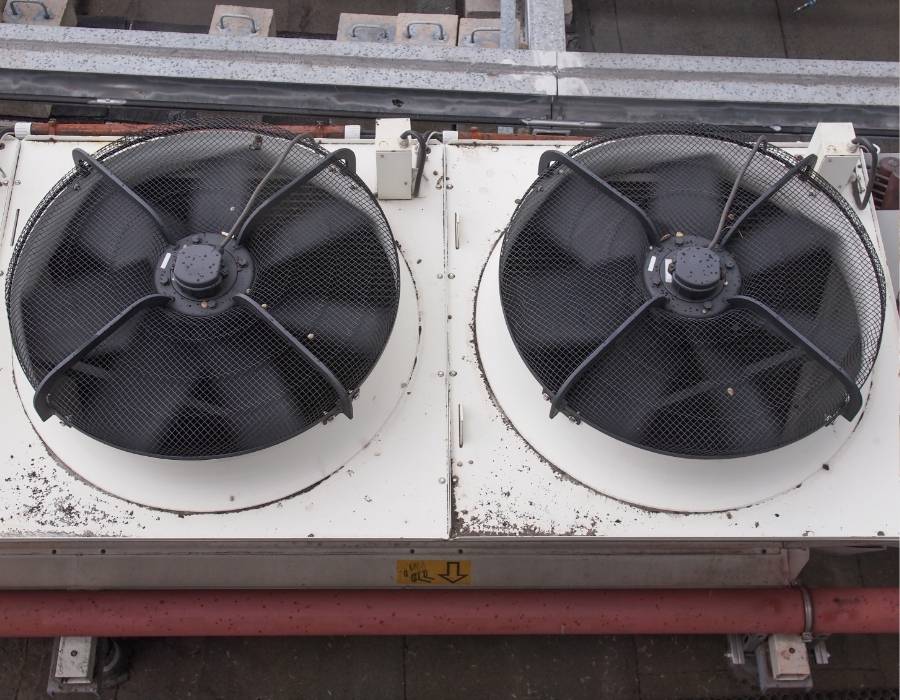
Maintaining your HVAC system’s efficiency involves more than just replacing filters; cleaning the coils and fans is equally essential. When coils and fans accumulate dirt and debris, they can’t transfer heat effectively, which strains your system and raises energy costs. We recommend scheduling regular cleanings to keep these components in prime condition.
Let’s start with the coils. Turn off the power to the unit for safety, then use a soft brush to gently remove any loose dirt from the evaporator and condenser coils. For more stubborn grime, apply a commercial coil cleaner, following the manufacturer’s instructions closely to avoid damage. Rinse carefully if required, and allow the coils to dry completely.
Next, focus on the fans. Dust and debris can hinder fan performance and increase operational noise. After confirming the unit is powered off, clean the fan blades with a damp cloth, being careful not to bend them. If there’s substantial buildup, a vacuum with a brush attachment can be very effective. Check the fan motor and apply lubricant if specified in your user manual.
Regularly cleaning these parts not only guarantees peak performance but also prolongs the life of your HVAC system, making it a smart and safe practice.
Inspect Ductwork for Leaks
After taking care of the coils and fans, we’ll need to check the ductwork for any leaks, an essential step for guaranteeing your HVAC system operates efficiently. Leaky ducts can lead to significant energy loss, increased utility bills, and uneven heating or cooling in your home. It’s vital we handle this to keep our system safe and effective.
Here’s how we can identify and address any issues with leaks in the ductwork:
- Visual Inspection: We should start by visually inspecting all exposed ducts in areas like basements, attics, and garages. Look for any signs of tears, holes, or disconnections in the ductwork.
- Sealant Application: If we find small leaks, we can apply mastic sealant or metal-backed tape to seal these areas securely. Remember, never use duct tape as it’s not long-lasting.
- Professional Assessment: For peace of mind and thoroughness, it’s wise to hire a professional to test the duct system for leaks and verify all connections are well-sealed.
Monitor Thermostat Settings
Now that we’ve addressed potential leaks in the ductwork, let’s turn our attention to the thermostat settings, a vital player in maintaining the efficiency of your HVAC system. Properly monitoring and adjusting your thermostat can lead to significant energy savings and enhance the safety of your home environment.
First, it’s essential to set your thermostat at a comfortable yet energy-efficient temperature. During winter, we recommend setting it around 68 degrees Fahrenheit when you’re awake and lowering it while you’re asleep or away from home. In summer, setting it to 78 degrees when you’re at home and higher when you’re not can also cut down on cooling costs.
Additionally, consider upgrading to a programmable or smart thermostat. These devices automatically adjust the temperature based on your schedule and can even be controlled remotely. This means you won’t have to worry about forgetting to change settings when you leave the house or when it’s time to sleep.
Ensure Adequate Insulation
Ensuring your home has proper insulation is a crucial step in optimizing your HVAC system’s performance. Adequate insulation helps maintain a consistent indoor temperature, reducing the workload on your HVAC unit and ensuring it runs more efficiently. This not only prolongs the life of your system but also enhances your home’s overall comfort and safety.
Here are key areas to focus on:
- Attic and Roof: Heat rises, and without proper insulation in the attic, you could be losing a lot of heat during the winter. Similarly, a well-insulated attic helps keep the house cooler in the summer months.
- Walls: Insulating your walls can greatly reduce heat exchange, keeping warm air out in the summer and in during the winter. This stability allows your HVAC system to operate under less strain.
- Floors and Basements: Don’t overlook these areas as they can be sources of cold drafts or heat loss. Insulating these areas helps in maintaining a balanced temperature throughout your home.
We recommend checking your insulation at least once a year and upgrading it if necessary. It’s a safety measure that also boosts your system’s efficiency and reduces your energy bills. Remember, good insulation equals a healthier, more comfortable home.
Schedule Annual Professional Maintenance
Scheduling annual professional maintenance for your HVAC system is critical to keeping it running smoothly and efficiently. We can’t stress enough how important this step is for prolonging the life of your unit and making certain it operates safely. When we bring in a certified technician, they conduct a thorough inspection and cleaning that we simply can’t achieve on our own. They’ll check coolant levels, look for leaks, and assess electrical connections to verify everything’s up to standard.
It’s not just about preventing breakdowns; it’s also about maintaining efficiency and safety. A well-maintained HVAC system doesn’t just save us money on our energy bills; it also minimizes the risk of fire hazards and carbon monoxide leaks, which are essential for keeping our homes safe. The tech will replace any worn parts before they cause bigger problems down the line.
Let’s make it a point to set a reminder now for this annual check-up. It’s one of those things that’s easy to forget but incredibly significant. By keeping up with professional maintenance, we’re not just taking care of our HVAC; we’re taking care of our home’s safety and our peace of mind.
Address Strange Noises Promptly
When your HVAC system starts making unusual noises, it’s important to address these sounds promptly. Ignoring them can lead to bigger, costlier problems and may compromise your system’s safety. We’re here to guide you through understanding and tackling these strange noises effectively.
Strange noises from your HVAC system could signal various issues. Here’s a quick checklist to help you identify and respond to these sounds:
- Hissing or Bubbling: Often indicates a refrigerant leak. Refrigerant is vital for efficient operation, and leaks can be hazardous.
- Banging or Clanking: These sounds may suggest loose or broken parts inside your units, such as the compressor or fan blades. Immediate attention can prevent further damage.
- Whistling or Screaming: These noises can be alarming and might point to high internal pressure within your compressor, which is potentially dangerous.
If you hear any of these sounds, it’s best to turn off your system and contact a professional technician. Don’t attempt to fix these issues yourself as incorrect handling can exacerbate the problem and pose safety risks. Remember, timely intervention not only guarantees your safety but also preserves the longevity and efficiency of your HVAC system.
Evaluate System Efficiency Annually

We recommend evaluating your HVAC system’s efficiency annually to guarantee it’s running at peak performance. This regular check-up not only guarantees your system is operating safely but also pinpoints any potential issues that could escalate into major problems. Let’s explore why this annual evaluation is essential and how you can go about it.
Firstly, evaluating the efficiency of your HVAC system can greatly lower your energy bills. An efficient system uses less power to heat or cool your home, which in turn, reduces your monthly expenses. During the evaluation, look for signs of wear and tear. Replace any outdated components that might be dragging down the system’s overall efficiency.
Secondly, by keeping your system in top shape, you’re also enhancing your home’s comfort. An efficient HVAC system provides consistent temperatures and better air quality, making your living environment more comfortable and healthier.
Lastly, consider hiring a professional for this annual check. They’re equipped with the tools and expertise to thoroughly evaluate and tune-up your system, guaranteeing it meets safety standards and operates at its best. Remember, a small investment in maintenance can lead to substantial savings and peace of mind down the road.