The Importance of Regular Gutter Cleaning: A DIY Guide
We can’t stress enough how essential regular gutter cleaning is to maintaining your home’s integrity and safety. By removing debris and ensuring clear drainage, we prevent water damage to the roof, walls, and foundation, reduce pest infestations, and minimize fire hazards. Ideally, we should clean our gutters every spring and fall, using the right tools and safety gear to protect ourselves. Additionally, troubleshooting common issues like blockages and leaks during the cleaning process can save us from costly repairs down the line. If we keep following these practices, our gutters will function effectively for years to come, and there’s more to explore to keep them in top shape.
Why Clean Your Gutters?

Cleaning your gutters regularly is essential to maintaining your home’s integrity. When we let debris pile up, it not only clogs the gutters but also leads to water damage, which can compromise your roof, walls, and foundation. Water overflow can cause extensive exterior and interior damage, and nobody wants to deal with that.
Moreover, clogged gutters are a breeding ground for pests like rodents and insects. By keeping them clean, we’re not just protecting our home structurally but also ensuring it doesn’t become a haven for pests that can pose health risks.
It’s not just about damage or pests either; fire safety is another vital reason we need to keep our gutters clear. In areas prone to wildfires, accumulated gutter debris can be a serious fire risk. By removing potential fuel for fires, we’re adding an extra layer of safety to our homes.
Best Times for Gutter Cleaning
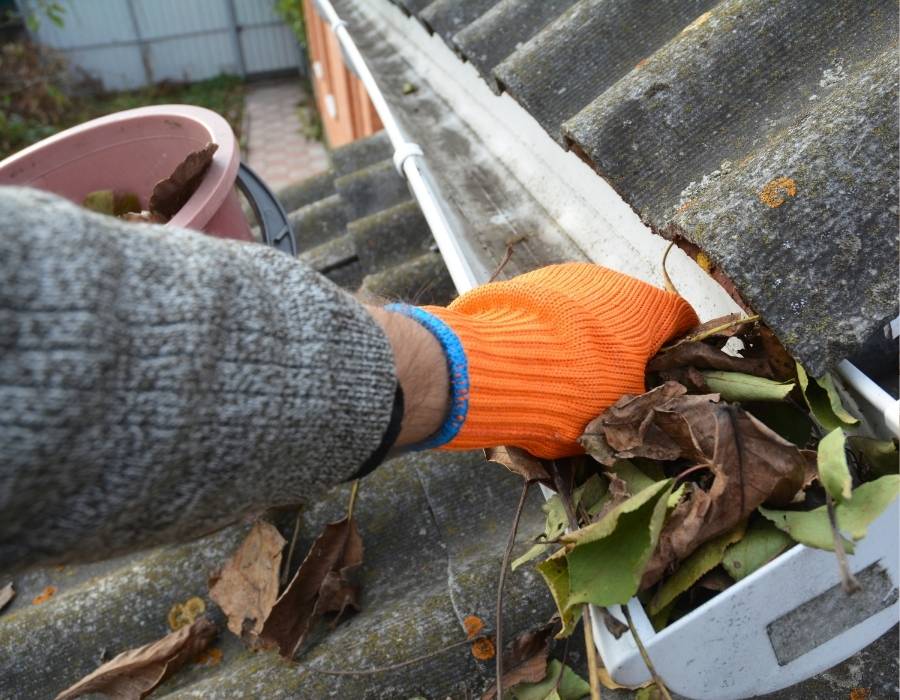
Understanding when to clean your gutters can greatly enhance their effectiveness and longevity. We’ve pinpointed the best times to tackle this task, guaranteeing your home’s safety and preventing any water damage due to clogged gutters. Here’s a quick guide to help you schedule your gutter cleaning:
- Early Spring: Clean your gutters in early spring to clear out the debris accumulated over the winter. This prevents water from backing up during spring rains.
- Late Spring: A second clean-up in late spring helps remove seeds and pollen that might have settled after the earlier cleaning.
- Early Fall: Cleaning your gutters in early fall removes leaves and debris that have fallen during the summer, preparing them for increased rainfall or early snow.
- Late Fall: A final cleaning in late fall guarantees that your gutters are clear of fallen autumn leaves and ready for winter snow and ice, reducing the risk of ice dams.
Safety Tips and Equipment
Before you begin the task of cleaning your gutters, it’s vital to prioritize safety and guarantee you have the right equipment. First and foremost, a sturdy ladder is important. Make sure it’s well-maintained and suitable for the height of your home. Always place it on stable, even ground to prevent any wobbles or falls.
We also recommend wearing gloves to protect your hands from sharp debris and potential pests hidden in the gutter mess. Safety goggles are a must to shield your eyes from any flying particles as you clean. It’s better to be safe than sorry, so don’t skip on these!
Additionally, consider wearing non-slip shoes to maintain a firm grip on the ladder rungs. A fall from even a short height can be dangerous. To enhance your stability, use a ladder stabilizer or have a buddy support the base while you work.
Lastly, if you’re not comfortable with heights or the condition of your gutters seems precarious, it’s wise to hire a professional. There’s no harm in admitting some tasks are best left to the experts, especially when it involves your safety. Stay safe, and happy cleaning!
Step-by-Step Cleaning Process
Now that we’ve covered the essential safety tips, let’s explore the step-by-step process of cleaning your gutters. This guide will help you get through the task safely and efficiently.
- Gather Your Tools: Start by assembling all necessary equipment. You’ll need a sturdy ladder, gloves, a scoop or garden trowel, and a bucket for debris. Don’t forget your hose for flushing the gutters!
- Remove Larger Debris: Climb the ladder carefully, making sure it’s securely positioned. Use your hands (with gloves) or a scoop to remove leaves, twigs, and any other large debris from the gutters. Deposit this waste into your bucket.
- Flush the Gutters: Once the larger debris is cleared, use a garden hose to flush out smaller particles and dirt. This will also help you spot any leaks or blockages as water should flow freely down the spouts.
- Check for Proper Flow: After flushing, observe how water flows through the gutters and downspouts. Make sure there aren’t any lingering blockages or overflows, which could indicate a need for further cleaning or repair.
Troubleshooting Common Issues
Even with meticulous cleaning, issues may still arise with your gutters. We have solutions for you with some quick fixes to common problems you might encounter.
First, if you notice water spilling over, it’s often due to a blockage in the downspout. Safely climb a ladder and inspect the downspout’s entry and exit points. A plumber’s snake or a high-pressure hose can help clear these clogs. Always make sure you’re using a stable ladder and have someone to spot you for extra safety.
Leaks are another headache. These usually occur at gutter joints or corners. You can apply a silicone-based sealant to any cracks or gaps you find. Make sure the area is dry and clean before application for the best adherence and longevity of the repair.
Lastly, sagging gutters can be due to loose hangers or spikes. Check these fixtures and tighten them as needed. If they’re damaged, replacing them is your best bet to prevent future issues.
Preventing Future Clogs
After addressing common issues like blockages, leaks, and sagging in your gutters, let’s focus on steps to prevent these problems from reoccurring. We can implement straightforward practices to guarantee our gutters remain free-flowing and functional. Here are four essential tips:
- Install Gutter Guards: These help to block debris such as leaves and twigs from entering the gutter system. It’s a safe and effective way to reduce the amount of cleaning needed and prevent clogs.
- Trim Nearby Trees: Regularly trimming tree branches that hang over your roof will minimize the leaves and debris falling into the gutters. This is particularly important before the fall season.
- Schedule Regular Cleanings: We can’t stress enough the importance of setting a routine cleaning schedule. Ideally, clean your gutters at least twice a year—once in late spring and once in early fall.
- Check for Proper Drainage: After cleaning, always check that water flows correctly through the gutters and downspouts. Proper slope and alignment prevent water from pooling, which can lead to clogs and damage over time.
Benefits of Regular Maintenance

Regular maintenance of your gutters not only extends their lifespan but also greatly enhances your home’s overall health. By keeping them clear, we’re preventing water damage to our home’s foundation and siding. This routine care stops water from pooling around the base of your home, which can lead to costly repairs down the line.
We’re also mitigating the risk of mold and mildew growth. When gutters are clogged and water overflows, it creates damp spots on and around your home. These are perfect breeding grounds for mold, which can be a health hazard for everyone living there. Regular gutter cleaning keeps these issues at bay.
Moreover, well-maintained gutters improve your home’s curb appeal. Clean gutters without debris sticking out or water marks running down the side of your house help maintain a tidy, attractive exterior. This not only makes you proud of your home but can also be essential if you’re thinking of selling anytime soon.