

Preparing Your Home for Winter: Essential Maintenance Tasks
As winter approaches, we can’t emphasize enough the importance of preparing our homes to withstand the cold. We’ll start by insulating water pipes in vulnerable areas like basements and garages to prevent freezing and bursting. Next, sealing windows and doors with weatherstripping guarantees our living spaces remain draft-free and energy-efficient. Don’t forget to clean and repair gutters to avoid water damage, and service heating systems to secure warmth and safety all season. Checking the roof and shingles for damage is essential to prevent leaks, and protecting outdoor plumbing is a must to avoid costly repairs. Let’s explore more ways we can safeguard our homes this winter.
Insulate Water Pipes
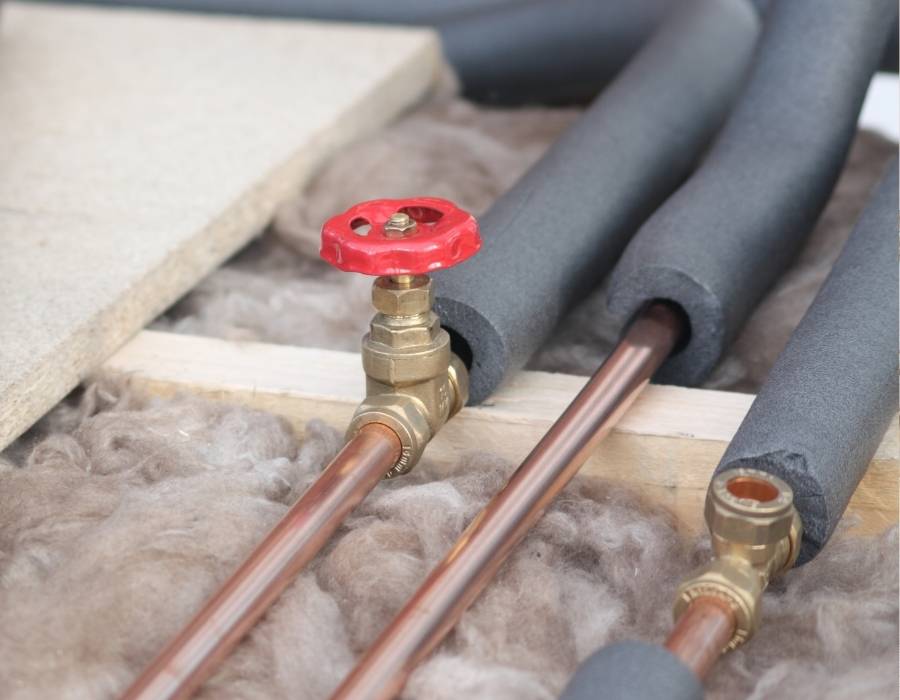
To protect our homes from the harsh winter, it’s essential we insulate our water pipes. Unprotected pipes can freeze and burst, leading to costly and disruptive damages. We’ve got some straightforward steps to help you safeguard your plumbing system effectively.
First, identify pipes most vulnerable to freezing—those in unheated areas like basements, attics, and garages. For these exposed sections, we recommend using foam insulation sleeves. They’re inexpensive, easy to install, and available at most hardware stores. Simply cut the foam to size, wrap it around the pipe, and secure it with duct tape if needed. It’s a quick project that offers long-lasting protection.
Don’t forget about outdoor faucets and pipes, too. Detach garden hoses, drain them, and store them indoors. Cover outdoor faucets with insulated foam covers to prevent freezing.
Seal Windows and Doors

After confirming your pipes are well-insulated against the winter chill, let’s focus on sealing windows and doors. This is a critical step to keep your home warm and your heating bills in check. Drafty windows and doors can lead to significant energy losses, and nobody wants to shiver through the winter!
Firstly, check all your windows and doors for any gaps or drafts. You can easily feel for drafts with your hand or use a candle; if the flame flickers, there’s a draft. Once you’ve identified these problem areas, it’s time to seal them up.
For gaps at the window or door frame, apply weatherstripping. It’s available in foam, rubber, or felt, and is an affordable way to seal those gaps. Make sure the surface is clean and dry before application to confirm it sticks well. For larger gaps, consider using a silicone-based caulk.
Don’t forget the door bottoms! Install a door sweep to block drafts from coming in underneath. This is especially important for exterior doors that face the elements directly.
Clean and Repair Gutters
With your windows and doors sealed, it is vital to turn our attention to cleaning and repairing gutters. Clogged or damaged gutters can lead to water damage on your roof and walls, so it is important we tackle this before winter sets in.
First, we’ll need to safely remove any debris, leaves, and twigs from the gutters. Using a sturdy ladder, we’ll work our way around the house, ensuring that all blockages are cleared. It’s important to wear gloves to protect our hands and use a small garden trowel to scoop out the gunk.
Next, let’s flush the gutters with a garden hose to check for proper flow and identify any leaks. If water pools in certain areas, it indicates that the gutter might be sloping incorrectly or sagging. We can fix these sections by securing loose hangers or replacing damaged ones.
Lastly, inspect for any cracks or holes in the gutters and downspouts. Small holes can be sealed with gutter sealant, while larger issues might require patches or replacements.
Service Heating Systems
Following our focus on gutters, we’ll now turn our attention to servicing heating systems. As the chill sets in, making certain your home’s heating system is in top shape is vital. We can’t stress enough the importance of a well-maintained heater for both comfort and safety.
First off, it’s wise to schedule a professional inspection. They’ll check for leaks, assess the efficiency of your system, and guarantee that everything is operating safely. This isn’t just about staying warm; it’s about preventing potentially dangerous issues like carbon monoxide leaks.
Next, replace or clean the filters. Dirty filters not only reduce efficiency, costing you more in heating bills, but they also strain your heating system, which can lead to breakdowns. Aim to check filters monthly during heavy use periods.
Don’t forget to test your thermostat to verify it’s working correctly and reflects the actual temperature. A malfunctioning thermostat can lead to rooms being too hot or too cold, which is the last thing you want during a freeze.
Lastly, clear the area around your heating unit. Remove any flammable materials to reduce fire risks. Making sure your system isn’t obstructed can also improve air circulation and efficiency. Stay warm and safe!
Check Roof and Shingles
Before the winter months set in, it’s crucial to inspect your roof and shingles for any signs of damage. A compromised roof can lead to water leaks, heat loss, and increased energy costs, so let’s make certain we’re covering all bases to keep our homes safe and warm.
Start by checking for any missing, cracked, or curled shingles; these can be gateways for water to seep through. We’ll also want to look for wear around the chimney seals and vent pipes, as these are common areas for potential leaks. If you’re not comfortable using a ladder to get a close look, consider hiring a professional to guarantee a thorough inspection.
Next, let’s clean out the gutters and downspouts. Clogged gutters can cause water to pool on your roof, leading to damage over time. Make sure they’re free of debris to allow for proper drainage during snowy or rainy days.
Protect Outdoor Plumbing
After confirming your roof is winter-ready, let’s not forget about protecting outdoor plumbing systems from freezing temperatures. Winter’s harsh conditions can burst pipes and cause significant damage, but we have you taken care of with some straightforward steps to keep everything running smoothly.
Here’s how you can safeguard your outdoor plumbing:
- Drain and Disconnect Hoses: Before the first freeze hits, detach garden hoses from faucets. Drain them thoroughly and store them in a dry place to prevent any water remnants from freezing and expanding.
- Insulate Exposed Pipes: Wrap any exposed pipes with foam pipe insulation. This acts like a cozy blanket, reducing the chance of freezing. Focus particularly on areas that aren’t heated, such as basements or garages.
- Cover Outdoor Faucets: Use insulated faucet covers to shield your outdoor taps from freezing temperatures. These covers are inexpensive and easy to install, providing a snug fit that keeps the cold out.
- Shut Off Outdoor Water Supply: If possible, shut off the water supply to outdoor faucets. This prevents any water flow, which minimizes the risk of freezing and bursting pipes.
Taking these steps will help guarantee that your outdoor plumbing withstands the winter without any unpleasant surprises. Stay warm and safe!
Install Weather Stripping

Moving indoors, it’s crucial to install weather stripping around doors and windows to keep the cold air out and the warm air in. This simple step not only enhances comfort but also reduces heating costs and prevents moisture damage that can lead to mold and mildew. Let’s make sure we’re doing this efficiently and safely.
First, choose the right type of weather stripping for your needs. Foam, felt, and rubber are great for irregular surfaces and come in various thicknesses and durability levels. Vinyl and metal are more durable and ideal for areas with high traffic or exposure to weather.
Next, carefully clean the surfaces where you’ll apply the weather stripping. Dust, dirt, or grease can prevent adhesive from sticking properly, which defeats the purpose of installing it. We’ll use a mild soap and water solution, then allow it to dry completely.
Measure each door and window twice before cutting any material. It’s better to double-check than waste supplies. When applying, press firmly to establish a tight seal. Check for gaps and apply additional pressure or extra stripping if necessary.
Lastly, inspect your work once the temperature drops. It’s easy to miss a small gap, and we want to make certain our home is fully prepared for the cold.


