Easy Ways to Improve Your Home’s Energy Efficiency
To enhance your home’s energy efficiency, we can start with some cost-effective measures. First, sealing windows and doors reduces drafts and saves on heating costs. Upgrading to LED lighting not only cuts down your electricity bills but also lasts longer, saving on replacement costs. We could also install a programmable thermostat, which adjusts your home’s temperature automatically and reduces energy waste. Additionally, improving attic insulation helps maintain consistent indoor temperatures, further lowering energy bills. Finally, opting for ENERGY STAR certified appliances can greatly reduce electricity and water usage. These steps will not only increase your comfort but also boost your long-term savings and environmental contribution.
Seal Windows and Doors

To boost our home’s energy efficiency, let’s start by sealing windows and doors. This simple step can drastically reduce drafts and unwanted air leaks, ensuring that our heating and cooling systems don’t work overtime. By tackling this task, we’re not only saving on our energy bills, but we’re also creating a safer, more controlled environment inside our homes.
When we seal these critical areas, we’re keeping out more than just the cold or heat; we’re also blocking dust, allergens, and insects. This means fewer health concerns and irritants for our families. It’s a preventive measure that enhances both comfort and safety.
We can use weatherstripping or caulk to seal gaps and cracks around window frames and door edges. It’s a cost-effective solution that we can easily implement ourselves. Remember, checking these seals annually is key, as they can wear out over time.
Let’s not overlook the added peace of mind that comes from knowing we’ve taken steps to protect our home from external elements. It’s a straightforward improvement that offers significant returns—both financially and in our everyday comfort and safety. Let’s make it a priority this weekend!
Upgrade to LED Lighting
After sealing windows and doors, another impactful step in enhancing our home’s energy efficiency is upgrading to LED lighting. LED bulbs aren’t just energy savers; they also offer a safer, more reliable lighting solution. They produce light approximately 90% more efficiently than incandescent bulbs and last up to 25 times longer. This switch not only reduces the frequency of replacements but also minimizes the risk of overheating, a common hazard with traditional bulbs.
By converting to LED, we can slash our electricity bills considerably. These bulbs use less power per unit of light emitted, cutting energy costs. They’re also incredibly versatile, available in various colors and luminosities to fit different moods and spaces in our home, from bright whites in the kitchen to softer yellows in the living room.
Moreover, LEDs don’t contain mercury, unlike their compact fluorescent counterparts, making them a safer and more environmentally friendly option. Their long life span and low energy consumption contribute to reducing waste and emissions, aligning with our goal of a healthier, more sustainable home environment.
Let’s embrace LED lighting, ensuring our home is not only more energy-efficient but also safer and environmentally sound.
Install a Programmable Thermostat
Continuing our journey toward a more energy-efficient home, installing a programmable thermostat stands as a smart next step. This simple upgrade allows us to control our heating and cooling systems more efficiently, ensuring that energy isn’t wasted when we’re not home or asleep. With a programmable thermostat, we can set temperatures to automatically lower or rise at specific times. For instance, lowering the heat during the workday can considerably reduce our energy usage without sacrificing comfort.
Installing one is a straightforward process and, importantly, it’s a safe update to make. Most models come with detailed, user-friendly instructions and can be set up with basic tools. This means we don’t have to worry about complex installations or compromising our home’s safety.
By making this switch, we’re not just cutting down on energy consumption; we’re also lowering our utility bills. It’s estimated that a programmable thermostat can save us up to 10% on heating and cooling costs annually. That’s a benefit that adds up quickly over time, making this a wise investment for both our wallets and the planet.
Let’s take control of our home’s energy use and comfort, ensuring we’re only using what we need, when we need it.
Improve Insulation in Attics
Building on our efforts to enhance home energy efficiency, improving attic insulation is the next practical step. Let’s focus on why bolstering your attic’s insulation can greatly reduce your energy bills and keep your home comfortable year-round.
Proper attic insulation acts as a barrier against heat loss in winter and heat gain in summer. This means we’re not just saving money; we’re also maintaining a steady, comfortable temperature throughout our homes. By keeping the heat out during hot months and in during cold ones, our heating and cooling systems don’t have to work overtime. This not only conserves energy but also extends the life of our HVAC systems.
When we upgrade our attic insulation, we also enhance our home’s safety. Proper insulation materials are fire-resistant, adding an extra layer of protection for our families. Additionally, better insulation reduces the risk of ice dams on the roof during winter, which can cause substantial damage.
We can choose from various insulation materials like fiberglass, cellulose, or spray foam, each with its benefits. It’s important to select the right R-value – a measure of insulation’s ability to resist heat flow – suitable for our specific climate needs.
Use Energy-Efficient Appliances
Shifting to energy-efficient appliances is another powerful way to enhance your home’s energy profile. By choosing products like ENERGY STAR certified refrigerators, washers, and dryers, we’re not just cutting down on utility bills; we’re also contributing to a safer environment by reducing greenhouse gas emissions. These appliances use considerably less energy and water compared to standard models, making them a smart choice for any homeowner looking to improve energy efficiency.
Investing in energy-efficient appliances means we’re ensuring the ideal use of electricity without sacrificing performance. For instance, modern energy-efficient refrigerators maintain your food’s freshness by using less power, while advanced washing machines clean clothes effectively with minimal water and energy use. This approach not only saves money in the long run but also enhances our home’s safety by reducing the risk of electrical overloads and potential hazards.
Let’s consider upgrading to smarter, safer appliances that align with our goals for a sustainable, cost-effective household. It’s a proactive step that pays dividends in both ecological and financial terms. By making these changes, we’re not just saving energy—we’re setting a standard for living safely and responsibly in our homes.
Maintain Heating and Cooling Systems
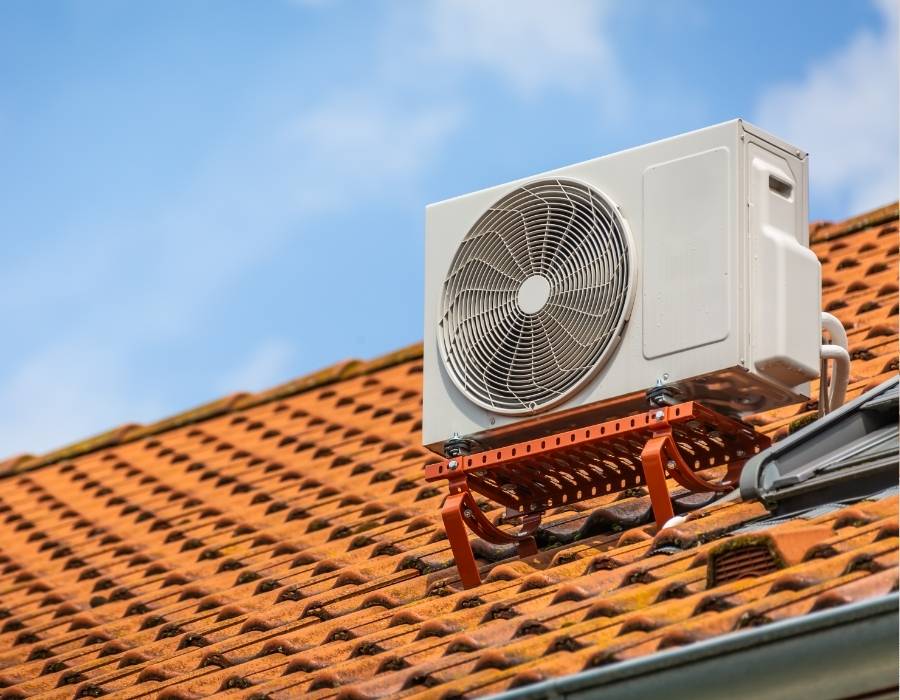
While upgrading appliances is essential, regularly maintaining your heating and cooling systems can greatly enhance your home’s energy efficiency. It’s not just about staying comfortable; it’s about ensuring our systems run safely and smoothly, ultimately saving money and energy.
Let’s explore why regular maintenance is key. First, clean and replace filters at least every three months. A clogged filter strains your system, increasing energy use and risking breakdowns. We also recommend scheduling annual check-ups with a professional. They’ll handle tasks like checking ductwork, ensuring thermostats are accurate, and inspecting electrical connections—all crucial for efficient operation.
Don’t overlook the benefits of sealing and insulating ducts. Leaky ducts can notably increase your heating and cooling costs by forcing your system to work harder. This not only compromises safety due to uneven heating or cooling but also spikes your energy bills.
Invest in Solar Panels

Investing in solar panels can greatly reduce your household’s reliance on non-renewable energy and slash your electricity bills. Let’s explore how making the switch to solar not only benefits your wallet but also contributes to a safer and healthier environment.
Firstly, solar energy is one of the cleanest sources of power available. By harnessing the sun’s natural energy, we’re reducing harmful emissions and enhancing air quality, which is vital for our well-being. Solar panels have no moving parts, which means they’re not only quiet but also low in maintenance. This reliability guarantees that you have a consistent power supply without the safety risks associated with conventional power sources.
Moreover, the durability of solar panels makes them a wise investment. Most systems come with a warranty of 25 years or more, assuring energy security for decades. They can withstand severe weather, from heavy snow to high winds, guaranteeing that your home remains powered during critical times.