Upcycling Thrift Store Finds: High-End Looks for Less
We’ve mastered the art of transforming thrift store finds into luxurious, high-end pieces for less, and we’re excited to share our secrets with you. Start by selecting durable items like solid wood furniture and checking their functionality. With the right tools—a good screwdriver set, pliers, and sanding blocks—you’re set to begin. Employ non-toxic, water-based paints for a fresh look and guarantee a smooth finish with sanding and sealing methods. For clothing, consider subtle tailoring or dyeing to update styles. Accessories can be crafted from repurposed materials, adding unique flair to your outfit. Explore the endless possibilities and elevate your style economically.
Choosing Your Thrift Store Finds
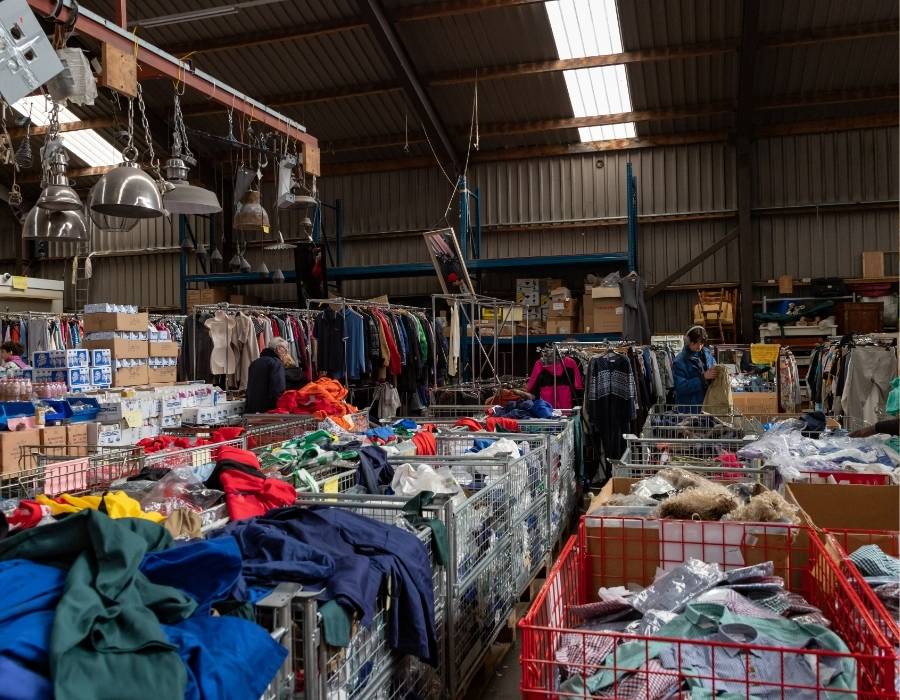
When we head to the thrift store, it’s essential to have a clear idea of what we’re looking for. We’re aiming to find items that not only catch our eye but also promise a certain level of quality and safety. It’s best to opt for solid wood furniture over particleboard, which often holds up better and is safer for our homes.
We should always check for signs of wear that go beyond mere cosmetic issues. Stability is key—wobbly chairs or uneven tables might not be worth the risk. Look for sturdy construction and intact joints, as these are good indicators that the item will last longer and maintain its functionality.
Additionally, we need to be mindful of items with electrical components. Always verify that lamps, clocks, or small appliances are in working order and don’t pose any safety hazards. It’s safer to avoid items with frayed wires or rusted metal parts, as these can be dangerous.
Essential Tools for Upcycling
Having selected your thrift store treasures, it’s time to gather the essential tools for successful upcycling. We’ll guarantee you’re equipped with everything you need to turn those finds into stunning, personalized pieces.
Firstly, invest in a good set of screwdrivers. They’re indispensable for dismantling and reassembling items safely and efficiently. Don’t forget a set of pliers and a hammer, vital for removing nails or bending materials into place. Safety is paramount, so durable gloves and protective eyewear are a must to shield your hands and eyes from potential hazards.
Next, measuring tools like a tape measure and a level are critical. They verify that any additions or alterations you make are precise, preventing any uneven or unstable outcomes. Additionally, keep a collection of sanding blocks or an electric sander handy to smooth out rough surfaces and edges, reducing the risk of splinters.
Lastly, a reliable paintbrush, rollers, and possibly a small handheld drill will serve you well for finishing touches. With these tools at your disposal, you’re all set to transform your thrift store finds into chic, safe, and personalized home décor. Let’s craft with confidence and creativity!
Techniques for Transforming Furniture
Why settle for ordinary when you can transform your thrift store furniture finds into unique masterpieces? Let’s explore some safe and effective techniques that’ll turn those overlooked pieces into the highlights of your home.
First, always start with a thorough cleaning. Use gentle, non-toxic cleaners to remove dirt and grime without harming the furniture’s surface or your health. Next, sanding is essential for creating a smooth base, but remember to wear a mask to avoid inhaling dust. Choose sandpaper that matches the finish you’re dealing with—coarser for rougher surfaces and finer for finishing touches.
Painting can dramatically change the appearance of your furniture. Opt for water-based paints as they’re less toxic and easier to clean up than oil-based options. Apply with smooth, even strokes, and always work in a well-ventilated area to keep those fumes at bay.
Finally, consider the finish. A good sealant not only enhances the look but also protects your piece from wear and tear. Water-based polyurethane is a safe choice, providing durability without the harsh chemicals.
With these techniques, we’re not just upcycling; we’re creating safe, stylish, and sustainable furniture that stands out in any room.
Revamping Vintage Clothing
Breathing new life into vintage clothing not only preserves unique styles but also offers a creative outlet for fashion enthusiasts. As we explore the art of revamping, it’s crucial to keep in mind that each piece we touch can transform into a statement of personal style and historical preservation.
Here’s how we can achieve remarkable transformations safely and effectively:
- Inspect and Clean: Always start by examining each garment for wear and tear. Repair minor damages and guarantee thorough cleaning to maintain fabric integrity and hygiene.
- Modify with Care: Use techniques like tailoring or dyeing to update the fit or color. Remember, less is more; subtle changes often yield the most sophisticated results.
- Choose Non-Toxic Materials: When adding embellishments or protective finishes, opt for eco-friendly, non-toxic options. This not only protects our health but also the environment.
Accessorizing With Upcycled Pieces

Accessorizing with upcycled pieces allows us to extend the lifecycle of everyday items while injecting personality and uniqueness into our wardrobes. By transforming old, forgotten bits like vintage buttons, broken jewelry, or fabric scraps into new, stylish accessories, we’re not only saving money but also contributing to a more sustainable world. It’s a creative and eco-friendly way to revamp our style.
Imagine turning a silk scarf into a chic turban or a set of old leather belts into a bespoke necklace. These personal touches make our outfits stand out, ensuring we’re both trendy and responsible. Additionally, upcycling is incredibly safe; we control the materials and methods used, avoiding any harmful substances often found in mass-produced accessories.
We can also repurpose old watches into sophisticated cufflinks or craft brooches from mismatched earrings. Each piece tells a story, adding depth and character to our fashion choices. This approach isn’t just about style—it’s about making conscious decisions that respect our planet and promote a safer, more sustainable lifestyle.
Let’s embrace upcycling as a fashionable, responsible choice. It’s time we make our mark, not just in fashion, but in the world, one accessory at a time.
Real-Life Upcycling Success Stories

While we’ve explored how upcycling transforms individual style, it’s equally inspiring to see real-life examples where this approach has made significant impacts. Let’s investigate a few stories that highlight the power and beauty of upcycling, ensuring we all feel secure and smart in our sustainable choices.
- Julia’s Jewelry Box: After finding a beaten-up wooden box at a local thrift store, Julia transformed it with non-toxic paint and repurposed fabric linings. Now, it’s a stunning jewelry box that safely stores her cherished pieces.
- Mark’s Denim Revival: Mark discovered a pair of vintage jeans that were slightly frayed. With some simple sewing techniques using organic cotton thread, he not only repaired them but also customized them with patches from other discarded denim. His jeans are now a one-of-a-kind statement of both style and sustainability.
- Ella’s Lampshade Magic: Ella took an outdated lampshade and wrapped it with leftover, flame-retardant fabric scraps, creating a chic, safe, and environmentally friendly lighting element for her study.
We’ve seen firsthand how upcycling not only enhances our living spaces and wardrobes but also contributes positively to our planet. It’s a compelling way to marry creativity with conservation. So, why not give it a try? You’ll be amazed at what you can achieve with items that others have overlooked.