The Future of Net-Zero Homes: What You Need to Know
Net-zero homes, residences that generate as much energy as they use, are the future of sustainable living. They employ innovative tech like solar panels, energy-efficient appliances, and advanced insulation to reduce environmental impact and cut energy costs. Plus, these homes incorporate smart designs that maximize natural light and maintain steady temperatures for year-round comfort. But, they’re not without challenges; the initial investment can be high and adjusting to a more eco-conscious lifestyle may take some acclimatization. However, with the rapid advancements in sustainable tech and increased focus on eco-friendly practices, there’s more to explore and expect in the evolving world of net-zero homes.
Understanding Net-Zero Homes

Delving into the world of net-zero homes, you’ll find an innovative approach to sustainable living. Imagine a home that produces as much energy as it consumes. That’s what a net-zero home does. It’s designed to be energy-efficient, utilizing renewable energy sources like solar and wind power.
Net-zero homes aren’t just about energy conservation; they’re about creating a healthier, safer living environment for you and your family. These homes use state-of-the-art ventilation systems to improve air quality, and materials that reduce exposure to toxins and allergens.
The design of a net-zero home is also essential. It’s not about cramming in as many solar panels as possible. It’s about intelligent design that maximizes natural light, minimizes heat loss, and optimizes energy use. You’ll find features like well-placed windows, efficient insulation, and smart home technology.
But don’t worry, going net-zero doesn’t mean sacrificing comfort. These homes are designed to be cozy and comfortable, with all the modern amenities you’d expect. With a net-zero home, you’re not just reducing your carbon footprint; you’re creating a safe, healthy, and sustainable living environment for the future.
Importance of Net-Zero Homes
In the face of escalating global warming, the significance of net-zero homes cannot be overstated. These unique homes are not just a trend, they’re a necessity for a sustainable future. Imagine living in a home that produces as much energy as it uses. You’re not only saving money on energy bills, but also contributing to a cleaner environment.
Net-zero homes greatly reduce greenhouse gas emissions by using renewable energy sources like solar and wind power. You’re playing an essential role in combating climate change, right within your living room. But it’s not just about the environment; it’s also about your safety and comfort. These homes are designed to be resilient against extreme weather conditions, providing you with a secure haven.
Moreover, net-zero homes maintain a consistent indoor temperature, ensuring your comfort all year round. You’re not just getting a house; you’re investing in a healthier lifestyle and a safer future. In this regard, the significance of net-zero homes goes beyond sustainability. It’s about creating a safer, healthier, and more comfortable living environment, while simultaneously protecting our planet. So, are you ready to join the net-zero revolution?
Evolution and Progress of Net-Zero Homes
You might wonder how the concept of net-zero homes has evolved over the years. It’s not a new idea. In fact, the roots of energy-efficient housing date back to the energy crisis of the 1970s. That’s when architects and scientists first began experimenting with designs to reduce energy consumption.
Fast forward to today, and net-zero homes are no longer just an ambitious concept. They’re a reality, driven by technological advancements in energy efficiency and renewable energy. These homes are designed to produce as much energy as they consume, primarily by harnessing solar power and incorporating highly efficient insulation and appliances.
The progress doesn’t stop there. With each passing year, more sustainable materials are being developed and used in construction, making these homes even more eco-friendly. Plus, the cost of renewable energy technologies is dropping, making net-zero homes increasingly affordable.
But it’s not just about the environment or saving money. It’s about creating a safer, healthier place to live. With cleaner air, less exposure to toxins, and a smaller carbon footprint, net-zero homes are paving the way for a more sustainable future. So, are you ready to join the movement?
Design Elements in Net-Zero Homes
With a glance at a net-zero home, it’s clear that every design element has a purpose. They’re not just about aesthetics; they’re about efficiency, safety, and sustainability.
The first thing you’ll likely notice is the orientation and shape of the building. Net-zero homes are designed to take full advantage of the sun’s path to maximize natural light and minimize energy use. They’re strategically oriented to reduce heat loss in winter and avoid overheating in summer.
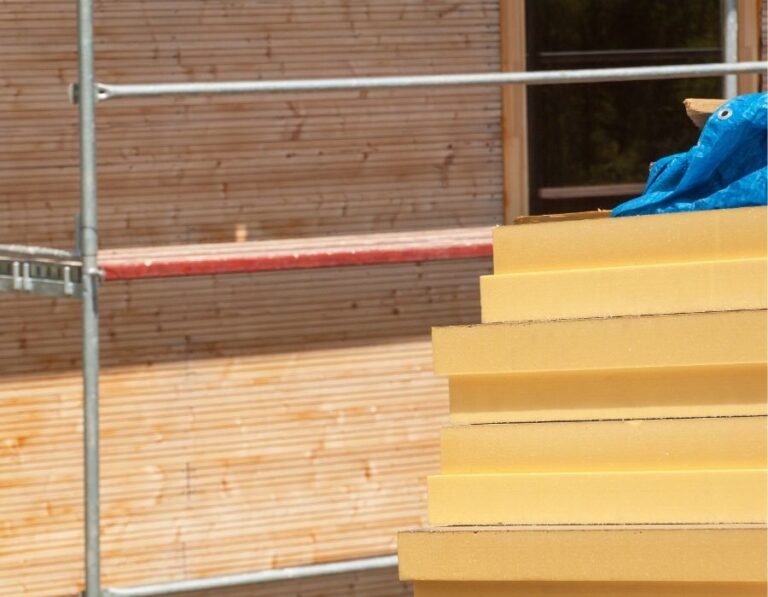
Next is the insulation. You won’t see this, but it’s essential. Proper insulation is a must to maintain a consistent indoor temperature, greatly reducing the need for artificial heating or cooling.
Finally, you’ll notice the windows. They’re typically larger, strategically placed, and often double-glazed. This further enhances natural light, provides excellent insulation, and adds an aesthetic appeal.
- Building Orientation and Shape: Maximizes natural light and minimizes energy use.
- Insulation: Maintains a consistent indoor temperature to reduce the need for artificial heating or cooling.
- Windows: Enhances natural light, provides insulation, and adds aesthetic appeal.
Technology Involved in Net-Zero Homes
Harnessing the power of modern technology, net-zero homes are truly a marvel of innovation. These homes utilize cutting-edge tech to achieve a level of energy efficiency that’s nothing short of remarkable.
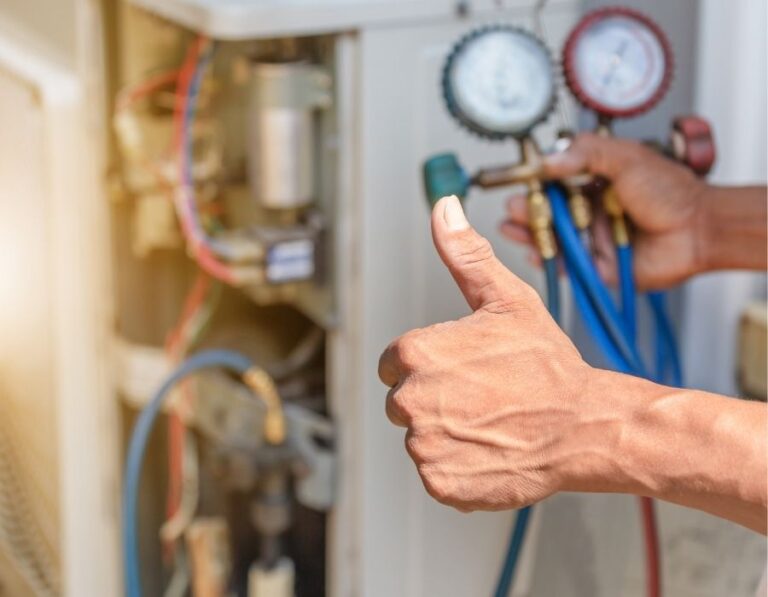
You might wonder, “What kind of tech are we talking about?” Well, it’s all about a blend of renewable energy systems, energy-efficient appliances, and intelligent design. Solar panels are often the stars of the show, soaking up sunrays and converting them into electricity. But that’s just the start. High-efficiency HVAC systems, LED lighting, and energy star appliances all play their parts in reducing energy consumption.
But the real game-changer? Home energy management systems. They’re like the brain of a net-zero home, monitoring and controlling energy use throughout the property. They can even learn your routines and adjust settings for peak efficiency.
Insulation and airtight construction techniques also play a vital role. They keep the home warm in winter and cool in summer, reducing the need for energy-guzzling heating and cooling systems.
Challenges and Solutions for Net-Zero Homes
Despite the impressive benefits and high-tech allure, net-zero homes are not without their challenges. You may face issues like high upfront costs, lack of knowledge about the technology, and the need for a change in lifestyle. Yet, for every challenge, there’s a solution.
- High upfront costs: Net-zero homes can be expensive initially. But remember, they’re an investment that pays off in the long run through reduced energy bills.
- Lack of knowledge: Yes, the technology can seem complex. But fear not! There are many resources available to guide you through the process.
- Lifestyle change: Adapting to a net-zero home may require changes in how you use energy. You’ll have to be more conscious about your consumption, but it’s a small price to pay for a healthier planet.
Each challenge has a solution, and the peace of mind you’ll gain from living in a safe, sustainable home makes it all worthwhile. Remember, you’re not just investing in a house; you’re investing in the future of our planet. And that, surely, is a challenge worth taking on.
Future Trends in Net-Zero Homes

So, what’s on the horizon for net-zero homes? You can expect to see an increase in technological advancements that improve energy efficiency. Smart-home technologies will become the norm, with automated systems controlling heating, cooling, and lighting to guarantee ideal energy use.
Solar power will continue to be a key player, but you’ll also see a rise in other renewable sources like wind and geothermal energy. Additionally, the integration of electric vehicle charging systems into home designs is a trend to watch.
Energy storage is another area set for growth. The development of more efficient and affordable home battery systems means you’ll be able to store excess energy for use when it’s needed most.
And let’s not forget about the building materials. Expect to see an increase in the use of sustainable materials that provide better insulation, reducing the need for artificial heating or cooling.
Importantly, these homes will not only be energy efficient, but they’ll also be safe. Enhanced fire-resistant materials and designs, along with advanced security systems, will guarantee your net-zero home is as secure as it is sustainable. The future of net-zero homes is bright, promising a safe, energy-efficient lifestyle.