Water Conservation at Home: Innovative Fixtures and Systems
Innovative water conservation fixtures and systems at home can make a significant impact on your water usage, helping save the planet and your wallet. High-efficiency appliances, like washing machines and dishwashers, use less water and energy. Smart irrigation tailors water use to your plants’ needs. Rainwater harvesting provides an additional water source, and dual-flush toilets give you control over your water consumption. Grey water recycling reuses previously wasted water, and eco-friendly gardening techniques reduce outdoor water requirements. Step further and explore these strategies in detail to better improve your home’s water footprint.
The Importance of Water Conservation

Our planet’s water is a precious resource, and it’s high time we start treating it in this manner. You must understand the significance of water conservation, not just for the environment, but also for your safety and the welfare of future generations.
Consider this: only 2.5% of the world’s water is freshwater and less than 1% is easily accessible. With increasing population and climate change, water scarcity is becoming a harsh reality for many. By conserving water, you’re not just saving money on your utility bills, you’re also playing a significant role in safeguarding this essential resource.
You can start with simple steps at home. Fix leaks promptly, don’t let the tap run unnecessarily, use a rain barrel to collect water for gardening. These small actions can lead to big changes. Remember, we don’t have a limitless supply of water. Every drop you save contributes to a safer, more sustainable future.
Your actions matter. You have the power to make a difference. Let’s not take water for granted. Start conserving today and secure a better tomorrow. It’s not just about saving water, it’s about ensuring your safety and the survival of our planet.
High-Efficiency Appliances for Saving Water
Your home’s appliances play an essential role in water conservation. Old, inefficient models can guzzle gallons, wasting not only water but also your money. It’s time to make a change.
Invest in high-efficiency appliances designed to save water. Consider a high-efficiency washing machine. They use up to 40% less water than traditional models. Modern dishwashers aren’t just convenient, they’re water-wise too. They use a fraction of the water compared to washing dishes by hand, saving you time and water.
You shouldn’t overlook the bathroom, either. High-efficiency toilets can save thousands of gallons of water per year, and water-saving showerheads can greatly reduce your water usage without compromising your comfort.
These appliances are not only good for your pocket, they’re also safe for your family and the planet. They’re designed to meet rigorous environmental standards, ensuring your home is part of the solution, not the problem.
In the long run, you’ll see the savings on your water bill and feel good about contributing to water conservation. So, isn’t it time you made the efficient choice? You’ll save water, save money, and help save the planet. Isn’t that a decision worth making?
Smart Irrigation Systems Explained
Water waste can often be a hidden culprit in any garden, but a smart irrigation system stands as an effective remedy. These high-tech systems are not just about convenience, they’re about conservation. By tailoring water distribution to your plants’ exact needs, you can save an impressive amount of H2O. And don’t worry, setting up a smart irrigation system isn’t rocket science, you can do it!
Imagine a system that assesses weather patterns, soil moisture, and evaporation rates to determine when, where, and how much to water. That’s smart irrigation! It’s like having a personal gardener who’s always on duty, making sure your plants get just the right amount of hydration. No more overwatering or underwatering.
And it’s about more than just your plants. It’s about doing your part in conserving our precious water resources. It’s about safety and sustainability. And it’s about saving money on your water bill. So why wait? Make the smart choice and invest in a smart irrigation system today. It’s an innovative solution that you, your garden, and the planet will appreciate.
Understanding Rainwater Harvesting Systems
While a smart irrigation system optimizes your water usage efficiently, another eco-friendly solution to contemplate is a rainwater harvesting system. This ingenious, ancient method of capturing, storing, and utilizing rainwater for later use can greatly reduce your reliance on public water supply, thereby conserving water and cutting down your utility bills.
Rainwater harvesting systems are safe and straightforward to install. They’re typically composed of a catchment area (like your roof), a conveyance system (such as gutters and downspouts), a storage area (like barrels or tanks), and a distribution system. The harvested water can be used for various non-drinking purposes, such as watering plants, washing cars, and flushing toilets.
The Role of Dual-Flush Toilets
An often overlooked yet highly effective tool in saving water is the dual-flush toilet. Its smart design gives you the power to select the amount of water used per flush, leading to significant water conservation. On average, you’ll use four times less water compared to a traditional toilet.
Here are some compelling reasons to evaluate dual-flush toilets:
- Dual-flush systems give you control over water usage.
- They can reduce your water bill by up to 67%.
- These toilets are eco-friendly, reducing your home’s carbon footprint.
- They’re easy to install and use, ensuring safety and convenience.
- Over time, the cost savings outweigh the initial investment.
Low-Flow Showerheads and Faucets
Switching to low-flow showerheads and faucets is another smart move towards water conservation. These fixtures use less water per minute than standard models, helping you save water without compromising your daily routines.
Low-flow showerheads work by reducing the amount of water flow, yet maintaining a strong pressure. This way, you’re still getting a satisfying shower experience, but using considerably less water. Imagine the savings if every household made this simple switch! They’re easy to install, so you won’t need to hire a pro.
Similarly, low-flow faucets are a great investment. They use aeration – mixing air with water – to reduce water usage without losing pressure. You’ll still wash your hands effectively, but use less water doing so.
And don’t worry, these devices are rigorously tested for safety and efficiency before they hit the market. You’re not only helping the planet but also cutting down on your water bills. So why not make the switch? It’s a win-win! Remember, every drop counts and your actions at home can make a considerable difference in conserving water. Let’s embrace these innovative fixtures and systems today.
Water-Saving Dishwashers and Washing Machines
If you’re serious about conserving water, think about upgrading your dishwasher and washing machine to high-efficiency models. Not only do these appliances use less water, but they also can help you cut down on your energy bills.
What’s more, you’re not sacrificing performance for efficiency. Today’s water-saving appliances are designed to get your dishes and clothes just as clean while using less water. Here are a few benefits to think about:
- Lower water usage: High-efficiency dishwashers and washing machines use up to 50% less water than traditional models.
- Energy savings: Less water means less energy needed to heat the water, reducing your energy consumption.
- Improved performance: Many high-efficiency models outperform their traditional counterparts in cleaning power.
- Rebates and incentives: Many utility companies offer rebates for purchasing water-saving appliances, which can help offset the cost.
- Environmental impact: Reducing water usage helps conserve a precious resource and reduces your carbon footprint.
Grey Water Recycling Systems
Harnessing the power of grey water recycling systems can make a significant difference in your water conservation efforts. These systems capture water from sinks, showers, and washing machines, then treat and recycle it for use in toilets and irrigation. By reusing this water, you’re not just cutting down on your water bill; you’re also contributing to the global fight against water scarcity.
Now, you might be thinking, “But is it safe?” Have confidence, grey water systems are designed with safety in mind. The water is thoroughly treated and disinfected before it’s reused, eliminating any health risks. Remember, though, this water is not suitable for drinking or cooking.
Installing a grey water system is not a DIY project. You’ll need a professional to guarantee proper installation and compliance with local regulations. Yes, there’s an upfront cost, but the savings on your water bill will soon cover it. Plus, you’ll be doing your part for the environment.
In a nutshell, a grey water recycling system is an effective, safe, and responsible choice for water conservation at home. Why not take this step towards a more sustainable future?
Eco-Friendly Gardening Techniques

Your garden might be a significant source of water usage, but it doesn’t have to be. By implementing eco-friendly gardening techniques, you can reduce your water consumption, making your garden as green in practice as in appearance.
Eco-friendly gardening is about more than just saving water. It’s about creating a sustainable, healthy environment that benefits both you and the planet. Here are some techniques to make your garden more eco-friendly:
- Use native plants: They’re adapted to your local climate and typically require less water than exotic species.
- Mulch your garden: This helps retain moisture, reducing the need for frequent watering.
- Install a rain barrel: Collect rainwater and use it to water your plants, saving tap water for other uses.
- Water wisely: Water early in the morning or late in the evening to minimize evaporation.
- Choose drought-tolerant plants: These require less water and can better withstand dry conditions.
Evaluating Your Home’s Water Footprint
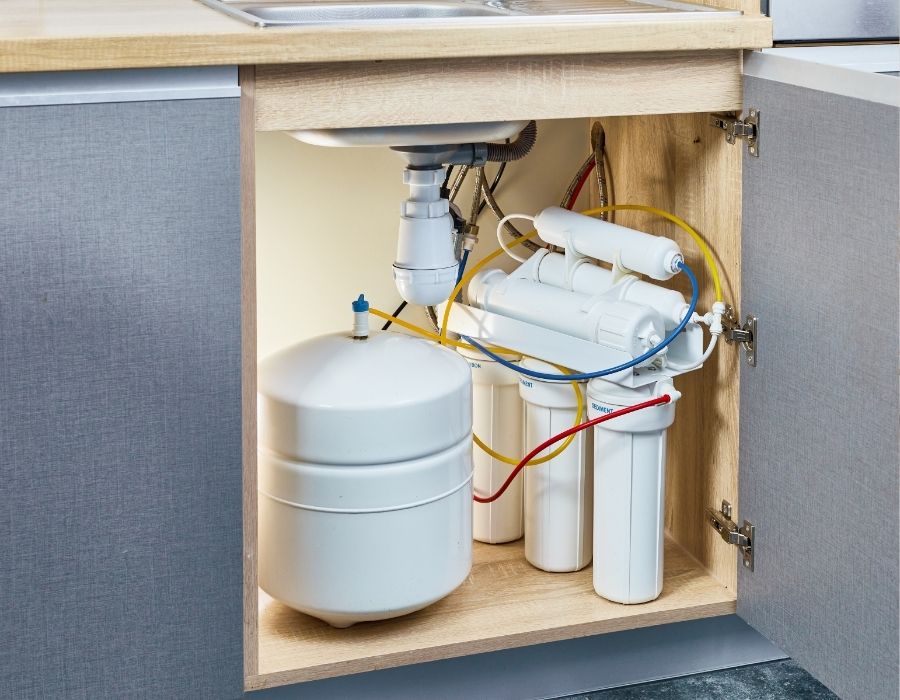
Despite being out of sight, beneath the surface of your daily routine lies an essential factor that impacts the environment: your home’s water footprint. It’s vital to evaluate this unseen resource consumption to guarantee you’re playing your part in water conservation.
To begin, you’ll need to assess your daily water usage. How long are your showers? How often do you run your dishwasher or washing machine? Are you aware of any leaks in your home? Answering these questions provides a starting point for understanding your water footprint.
Next, consider implementing water-saving fixtures and systems. Low-flow showerheads, dual-flush toilets, and water-efficient appliances can greatly reduce your home’s water consumption. Remember, every drop counts.
It’s also important to be mindful of indirect water usage. The food you eat, the products you buy, even the energy you use, all contribute to your water footprint. By being conscious of your choices and opting for environmentally friendly alternatives, you can considerably cut down on your overall water consumption.
Evaluating your home’s water footprint isn’t just about saving money on your utility bills. It’s about guaranteeing the safety and sustainability of our planet for future generations. Take action today. Your efforts will make a difference.